Discover why a headphone cable splitter is essential for any audio setup. Learn about durability, connector types, and how to choose the right one for your needs.
Why a Headphone Cable Splitter Belongs in Every Audio Setup
Sharing audio without wireless latency, plug-and-play simplicity, and no batteries to charge — a splitter solves a problem that most listeners encounter sooner or later: how to let two people listen to the same source without passing a single earbud back and forth. Because it works as a purely analog connector, it requires no pairing process and no app. The moment two headphones are plugged into the splitter, the audio signal reaches both outputs simultaneously, with zero transmission delay. This makes it a practical choice for travel, shared workspaces, or simply relaxing at home with a partner.
Beyond convenience, the small metal or plastic body of a splitter also protects the point where a cable divides into left and right channels — a spot that tends to wear out first on cheaper headphones. When this junction is reinforced with a housing, such as a well-designed headphone cable splitter, the risk of cable strain and eventual signal loss drops considerably. For anyone who has experienced a headphone suddenly cutting out in one ear, this kind of structural reinforcement is often more valuable than any added feature. It’s a small component, but its role in extending the working life of a cable is significant.
KáCsa Audio: Tailored Splitter Solutions Built on Craftsmanship and Trust
Inside the KáCsa Audio workshop, cable assembly is treated as a craft rather than a purely mechanical process. Each cable and connector is checked by hand, and staff routinely draw on customer feedback to refine future batches. This hands-on approach extends to smaller accessories such as splitters, where the same attention to housing quality and finish is applied as with the company’s higher-end cable lines. The result is a product line where guidance and testing matter as much as the individual parts themselves.
Another distinguishing element is the willingness to let customers test assembled cables in their own systems before committing to a purchase. Rather than asking buyers to judge a splitter purely from a spec sheet, components can be tried at home, using the customer’s own headphones and source equipment. This test-first approach removes much of the guesswork that usually accompanies cable and connector purchases, letting sound quality and physical fit speak for themselves. For accessories like Y-splitters, where comfort and connector diameter matter as much as internal build, this kind of trial run can prevent a costly mismatch.
Choosing the Right Headphone Cable Splitter: Types, Uses, and Key Features to Consider
Not all splitters serve the same purpose, and understanding the distinction helps avoid buying the wrong accessory. A classic audio splitter takes a single TRS output and divides it into two parallel headphone jacks, letting two people listen to the same track without any loss in channel balance. A headset splitter, by contrast, separates a combined TRRS jack — the type found on most laptops and smartphones — into distinct microphone and headphone connections, or merges two separate plugs into one combined port. Because these two designs solve different problems, checking connector type before purchase is a necessary first step.
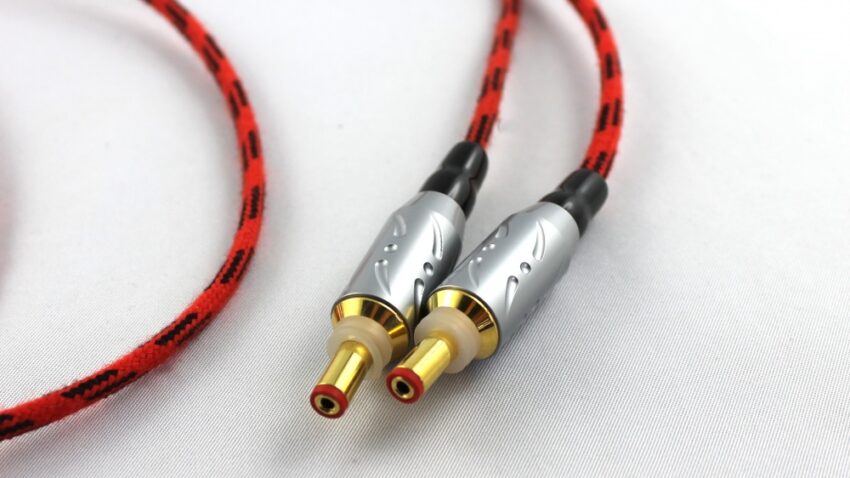
Beyond connector type, build quality determines how long a splitter will last under daily use. Gold-plated contacts resist oxidation and help preserve signal clarity over time, while a reinforced housing — like an aluminum casing — shields the exact point where wires split into left and right channels. This detail matters for anyone comparing a basic headphone cable splitter against a more reinforced design, since inexpensive plastic housings tend to crack at exactly this junction after repeated bending. Diameter compatibility is another practical consideration: an input barrel of around 4 mm typically fits standard headphone jacks, while output diameters near 2.4 mm are common for smaller in-ear connectors.
The Future of Audio Sharing: Market Trends and Evolving User Needs in Cable Splitters
As laptops and phones continue to shrink, dedicated headphone and microphone ports are disappearing from many devices, pushing demand toward combined-jack splitters that separate audio output from mic input. Gamers and streamers rely heavily on this kind of adapter, since a monitoring headset and a standalone microphone often require different physical outputs. Hybrid work and remote learning have added another use case, with virtual meetings and online classes frequently calling for a dual-headphone setup or an external mic connected through a splitter. These overlapping needs mean the accessory has moved well beyond its original role as a simple audio-sharing tool.
The broader shift away from the traditional 3.5 mm jack is also reshaping the category, with USB-C to headphone splitters — some featuring a built-in digital-to-analog converter — becoming more common alongside analog designs. At the same time, users are increasingly rejecting thin, easily-bent plastic cables in favor of sturdier, flexible constructions with strain relief at stress points. A well-built headphone cable splitter reflects this shift: a metal housing, secure connector diameters, and attention to the Y-junction all address complaints that have long affected cheaper accessories. As device manufacturers keep changing port standards, the splitter market will likely keep adapting alongside them, favoring durable, connector-agnostic designs over disposable ones.